









Why Do Cats Get Zoomies?
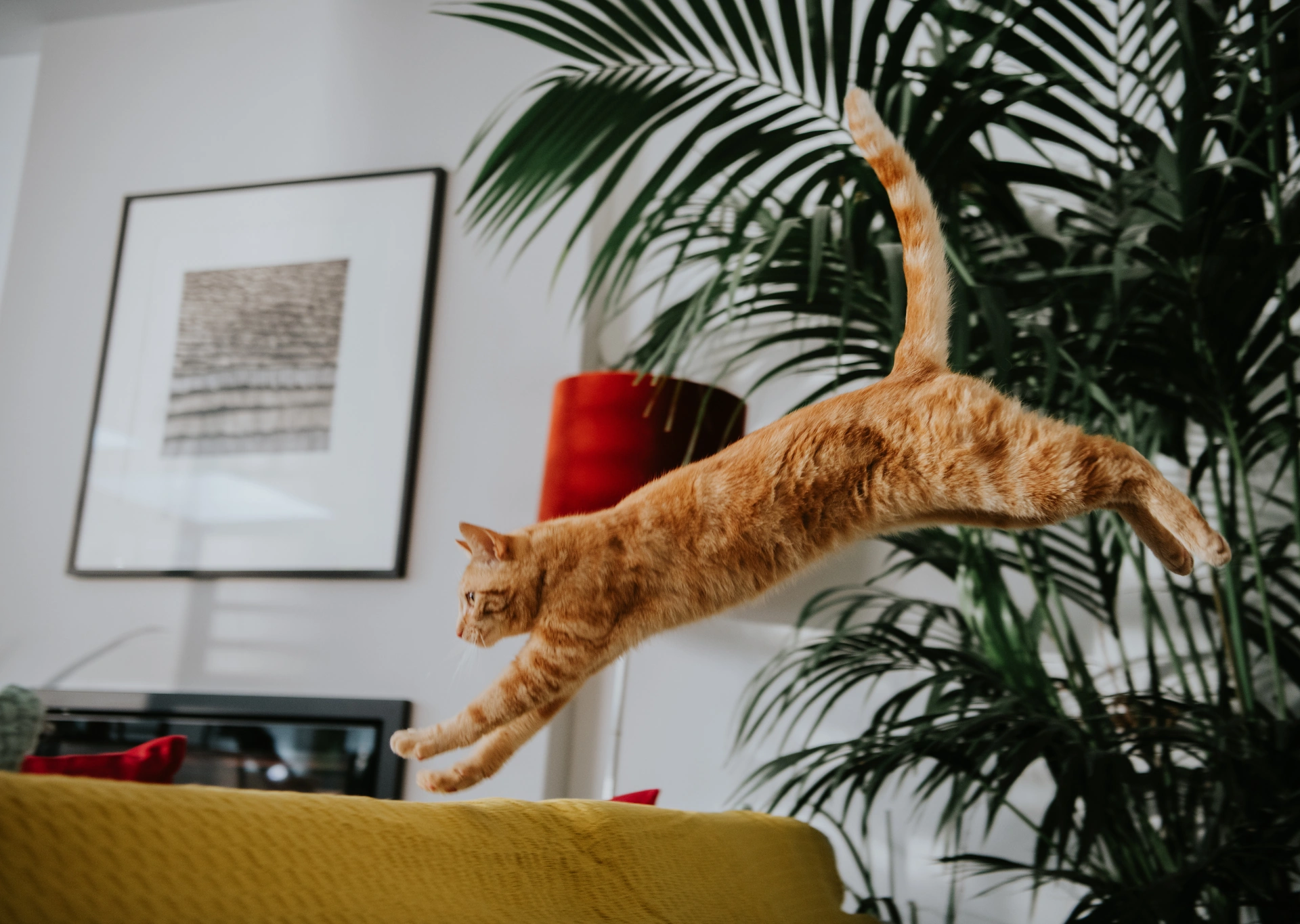
Cat zoomies are sudden bursts of energy that may involve running, jumping and playful behaviour. They’re usually a normal way for cats to release energy, express natural hunting instincts or respond to excitement.
Applaws UK
27/10/2026
One moment your cat is fast asleep on the couch. The next, they’re racing through the house at full speed, darting around corners, skidding across the floor, and disappearing into another room before reappearing seconds later.
If you’ve ever witnessed one of these sudden energy explosions, you’ve seen what many cat owners call the “zoomies”.
While they can seem random, zoomies are actually a common part of cat behavior and often have a simple explanation.
What Are Cat Zoomies?
“Zoomies” is a popular term used to describe sudden bursts of energy that cause cats to run, jump, sprint, or play energetically for a short period of time.
You may notice your cat:
- Running from room to room
- Racing up and down stairs
- Jumping onto furniture
- Chasing imaginary targets
- Suddenly becoming very playful
These energetic episodes usually last only a few minutes before your cat settles down again.
Why Do Cats Get Zoomies?
There isn’t always a single reason.
In most cases, zoomies are simply a normal way for cats to release energy and engage in natural behaviours.
They Have Energy to Burn
Cats spend a large portion of the day resting.
In fact, many cats sleep for 12 to 16 hours every day.
After long periods of rest, it’s normal for them to become suddenly active. A few minutes of running and playing can help release pent-up energy before they return to their favorite napping spot.
They’re Practicing Hunting Behaviours
Even the most pampered house cat still has natural hunting instincts.
In the wild, cats spend much of their time stalking, chasing, pouncing, and exploring. Indoor cats don’t need to hunt for food, but those instincts don’t simply disappear.
A burst of zoomies can be your cat’s way of acting out behaviors that would normally be used to:
- Chase prey
- Explore territory
- Practice agility
- Stay mentally engaged
What looks like chaotic running may actually be instinctive behavior in action.
They Feel Excited or Playful
Sometimes zoomies happen because your cat is simply having fun.
You may notice a burst of energy after:
- Playtime
- Mealtime
- Seeing birds outside a window
- Exploring a new environment
Cats can become excited by new experiences, scents, sounds, and opportunities to investigate their surroundings.
After all, curious cats are often eager to explore whatever adventure the day brings.
Why Do Cats Get Zoomies After Using the Litter Box?
This is one of the most common questions cat owners ask.
Many cats seem to sprint away from the litter box immediately after finishing their business.
While experts don’t know exactly why every cat does this, several theories exist.
Some cats may feel relieved and energized afterward, while others may simply be responding to instinctive behaviors related to avoiding predators after doing their business in the wild.
In many cases, post-litter-box zoomies are completely normal.
Why Do Cats Get Zoomies at Night?
Cats are naturally most active during dawn and dusk.
This activity pattern is known as being crepuscular.
Although domestic cats often adapt to their household’s schedule, those natural rhythms can still influence when they feel most energetic.
As a result, many cat owners notice zoomies:
- Early in the morning
- Late in the evening
- Just before bedtime
If your cat seems particularly energetic at night, increasing interactive play during the day may help satisfy some of that need for activity.
Are Zoomies More Common in Kittens?
Yes, kittens tend to experience zoomies more frequently than adult cats.
Young cats are:
- Growing rapidly
- Learning coordination
- Exploring their environment
- Developing important physical skills
All of this requires a lot of energy.
It’s perfectly normal for kittens to switch rapidly between sleeping and intense play sessions.
When Are Zoomies a Sign Something Might Be Wrong?
Most zoomies are completely normal.
However, it’s worth monitoring your cat if the behavior suddenly becomes unusual or is accompanied by other symptoms.
Contact your vet if you notice:
- Changes in appetite
- Weight loss
- Signs of discomfort
- Excessive vocalization
- Repetitive or compulsive behavior
- Sudden behavior changes
A vet can help determine whether there’s an underlying health issue that needs attention.
How Can You Manage Cat Zoomies?
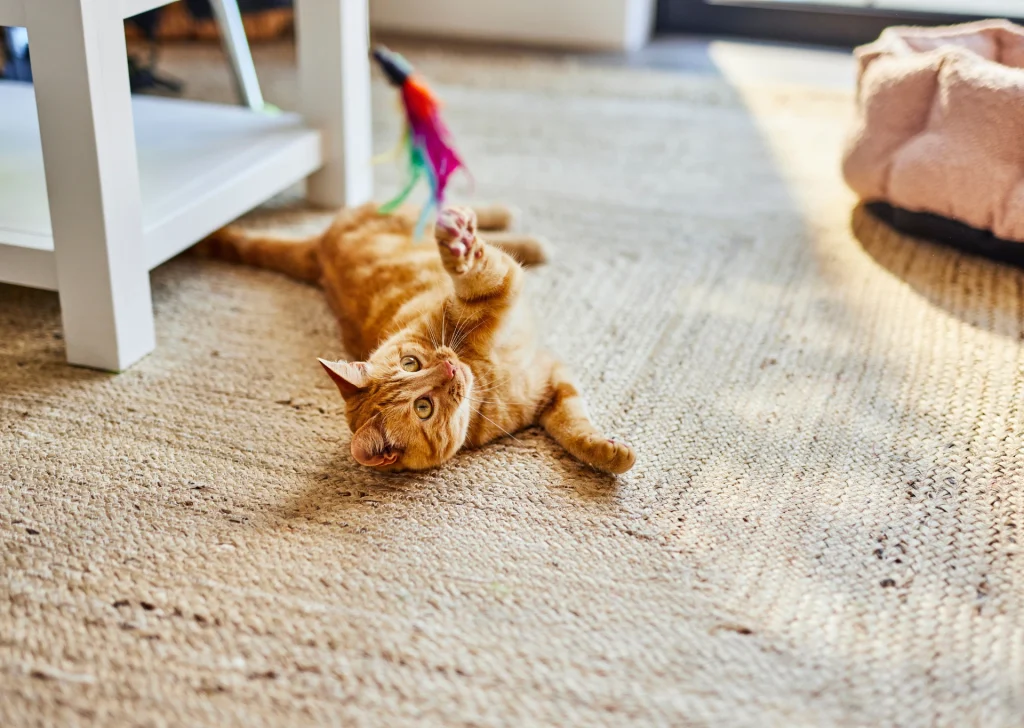
Zoomies don’t usually need to be stopped.
Instead, focus on helping your cat release energy in healthy ways.
Helpful strategies include:
- Scheduling regular playtime
- Rotating toys to maintain interest
- Providing places to climb and explore
- Encouraging natural hunting-style games
- Maintaining a consistent daily routine
Giving your cat opportunities to move, play, and investigate can help support both physical and mental well-being.
FAQs
Are cat zoomies normal?
Yes. Zoomies are typically a normal expression of energy, excitement, and natural feline instincts.
Why does my cat get zoomies after pooping?
Many cats become energetic after using the litter box. While the exact reason isn’t fully understood, this behavior is usually considered normal.
Why does my cat get zoomies at night?
Cats are naturally more active during dawn and dusk, which can lead to bursts of energy in the evening or early morning.
Do senior cats get zoomies?
Yes. While zoomies are often more common in younger cats, healthy adult and senior cats can still experience occasional bursts of energy.
Should I stop my cat from getting zoomies?
In most cases, no. Zoomies are a natural behavior. Providing safe spaces and appropriate enrichment is usually the best approach.
Zoomies may seem strange to us, but they’re often a perfectly normal part of being a cat.
Whether they’re releasing energy, practicing hunting behaviors, or simply enjoying a playful moment, these sudden bursts of activity help cats express instincts that have been part of feline behavior for generations.
So, the next time your cat tears through the house at top speed before flopping down for a nap, remember that it’s often just their way of staying active, curious, and engaged with the world around them.