









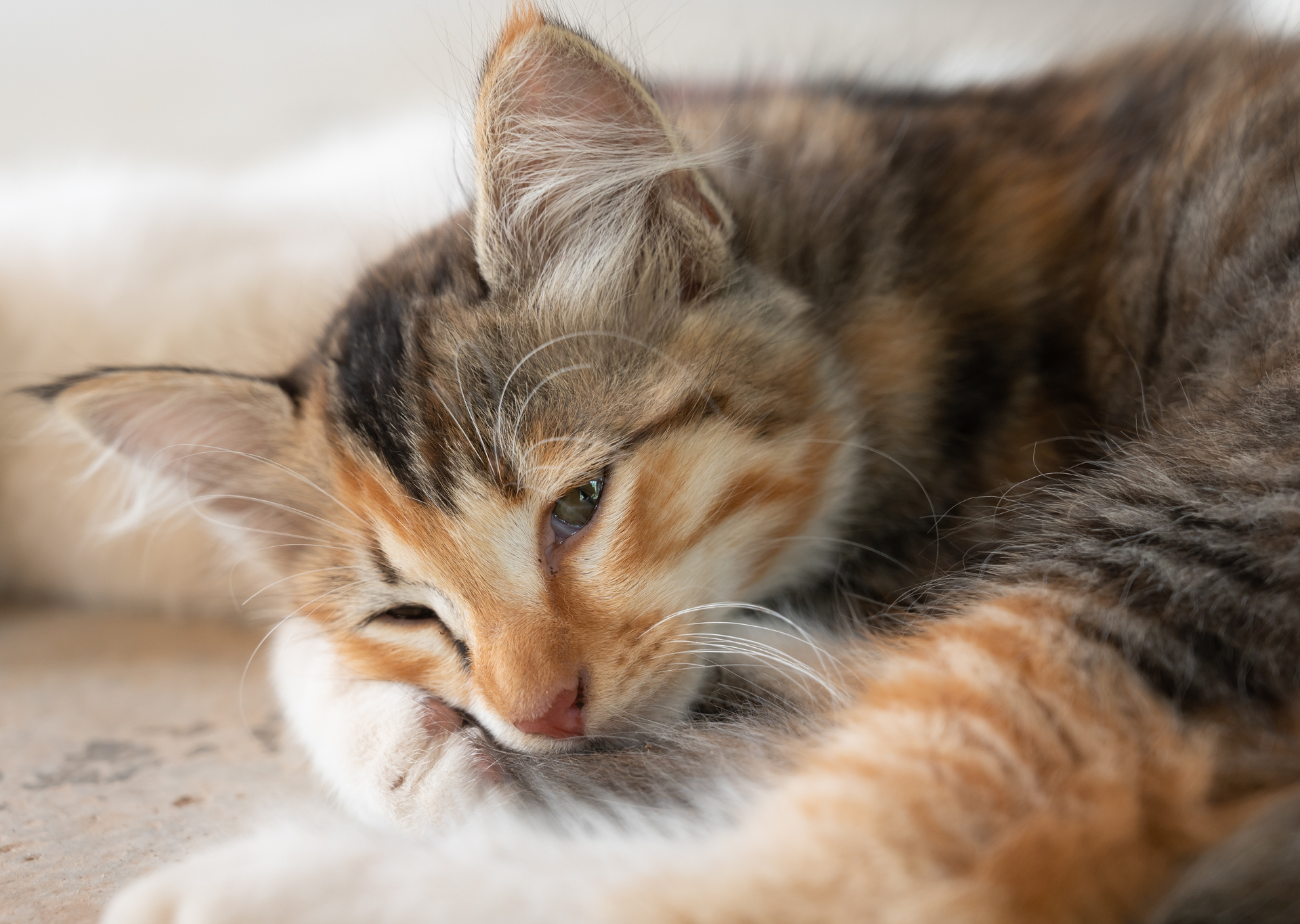
Signs your cat is in pain
Cats don’t always show pain clearly, but small changes in movement, grooming, or behaviour can speak volumes. Learn how to spot and respond to the signs.
Applaws UK
27/06/2025
Cats rarely show discomfort in obvious ways. Their instinct is to hide it. That’s why learning how to spot subtle signs of pain is so important.
As part of Animal Pain Awareness Month this September, we’re sharing the quiet cues that might indicate something’s not quite right, alongside ways you can support your cat’s wellbeing at home.
How to tell if your cat’s in pain when moving
Changes in movement often speak volumes. If your cat seems less confident jumping, avoids stairs or chooses lower surfaces, they may be experiencing discomfort. Watch for:
- Slower walking or visible stiffness.
- Avoiding familiar routines like climbing furniture.
- Taking more time to settle after rest.
These signs can be small, so knowing your cat’s usual behaviour helps you spot shifts more easily.
Could grooming too much or too little be a sign your cat is in pain?
Grooming is part of your cat’s natural routine. Pain often changes how they care for their coat.
- Over-grooming one area may mean that spot is sore.
- A lack of grooming can leave fur looking dishevelled.
- Flinching or reacting when touched can point to a sensitive area.
These are all signs that your cat might be using grooming to manage or avoid discomfort.
What changes in your cat’s eating habits could signal pain?
Pain can affect how your cat eats and drinks. The signs may be subtle but meaningful:
- Eating less or only licking soft textures.
- Chewing on one side or dropping food.
- Avoiding dry food, with increased interest in broth or wet food.
If your cat’s eating habits have changed, it’s worth keeping a close eye and speaking to your vet.
What does your cat’s toilet behaviour say about their health?
Changes in toileting can be linked to discomfort, especially in older cats or those with joint pain.
- Hesitating or straining to use the tray.
- Toileting outside the tray.
- Moving differently before or after a visit.
These subtle behaviours are often the first indicators that something may need attention.
Signs your cat is hiding pain
Pain doesn’t just affect the body, it changes how cats interact.
- Increased hiding or time spent alone.
- Irritability or flinching when touched.
- Seeking comfort more often, or becoming more vocal.
These emotional shifts are as important as physical ones. Trust your instinct, if something feels different, it probably is.
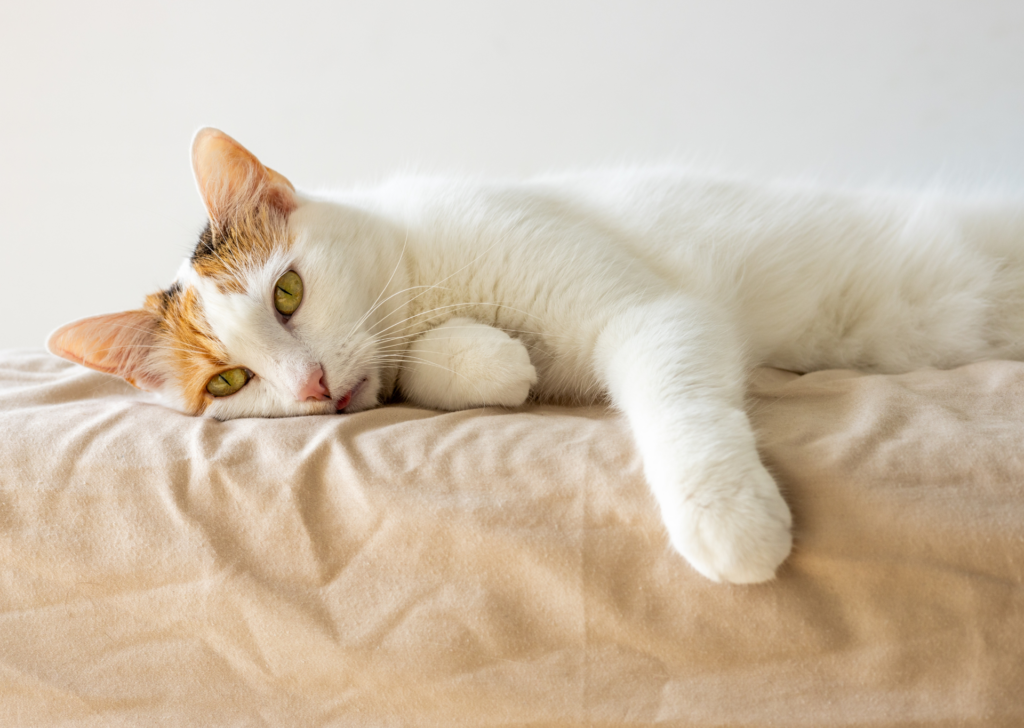
Relieving pain and comforting your cat at home
If you notice signs of pain, speak to your vet. At home, there are simple ways to help make your cat more comfortable.
- Offer soft, easy-to-access resting spots.
- Keep food, water and litter close and on one level.
- Maintain calm routines and limit sudden changes.
At Applaws, we believe cats thrive when we listen closely to what they’re telling us. Through movement, stillness and everything in between.