










Diabetes in Cats: What Every Cat Owner Should Know
Diabetes in cats is more common than many realise and spotting the signs early can make all the difference. From increased thirst to changes in weight, there are subtle clues your cat’s body might be struggling to regulate blood sugar. In this guide, we’ll explore the symptoms of diabetes in cats, how it’s diagnosed and treated, and what steps you can take to help your feline friend live a full, healthy life.
Applaws UK
25/09/2025
Diabetes in cats is more common than many pet parents realise. It happens when a cat’s body can’t properly regulate its blood sugar, leading to a range of symptoms that can impact their daily life. Knowing the symptoms of diabetes in cats early on can make a massive difference to their long‑term health and wellbeing.
How to Know if Your Cat Has Diabetes
If you’ve noticed your cat drinking more water than usual, making more trips to the litter tray, or eating more but still losing weight, these could be early signs of diabetes in cats. Their coat may also appear less glossy, and they might seem less playful than normal. The only way to know for sure is to visit your vet, who can run tests and check your cat’s blood sugar levels.
How Common Is Diabetes in Cats
You might be wondering just how common diabetes is in cats. Studies show that this condition is increasingly diagnosed, particularly in middle‑aged or older cats and those who are carrying that bit of extra weight. Improved awareness and better veterinary care mean more cats are being diagnosed earlier and receiving effective treatment.
Early Signs of Diabetes in Cats
Look out for these early indicators:
- Increased thirst
- Frequent toilet trips
- Unexplained weight loss despite a healthy appetite
- Sleeping more or seeming tired
- A duller coat
Spotting these early signs and acting quickly is key to giving your cat the best chance of managing the condition.
How Often Do Diabetic Cats Need Insulin
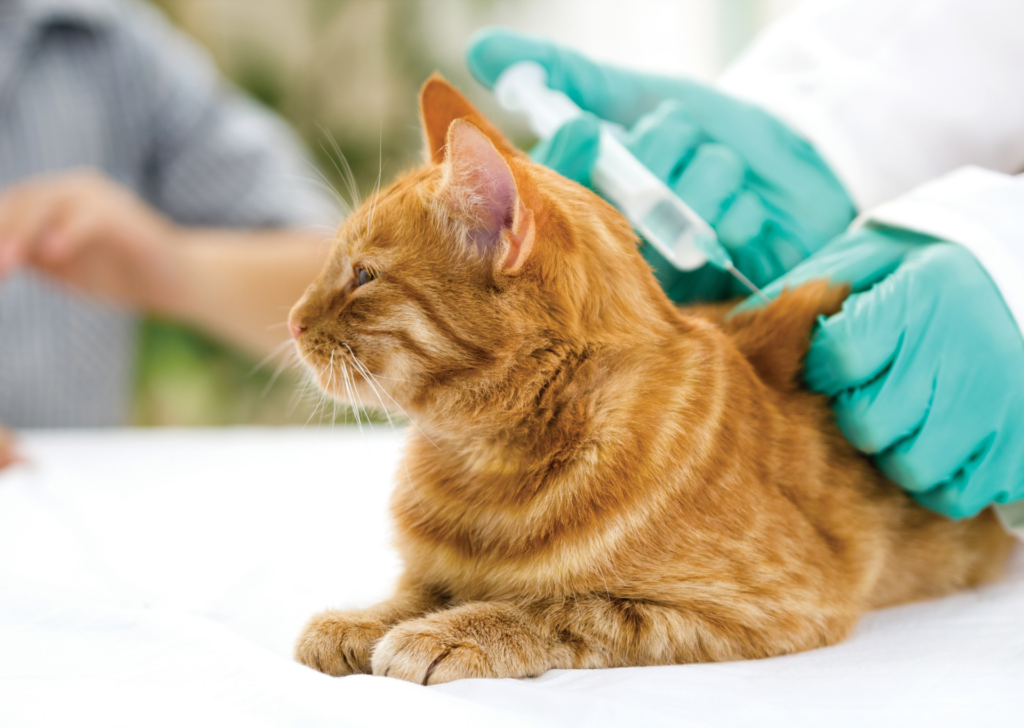
If your cat is diagnosed with diabetes, your vet may recommend insulin therapy to help control your cat’s blood sugar levels. Most diabetic cats require insulin injections twice a day, but your vet will create a plan tailored to your cat’s needs. Regular check‑ups will help make sure their treatment stays effective over time.
How to Prevent Diabetes in Cats
While not every case can be avoided, you can reduce the risk by keeping your cat at a healthy weight, feeding a balanced diet, and encouraging regular play to keep them active. Routine vet visits, ideally every 6-12 months, will help you catch any changes early, before they become serious.
Diabetes doesn’t have to stop your cat from living a happy, healthy life. By knowing the symptoms, staying aware of the early signs, and working closely with your vet, you can manage the condition and keep your cat feeling their best.