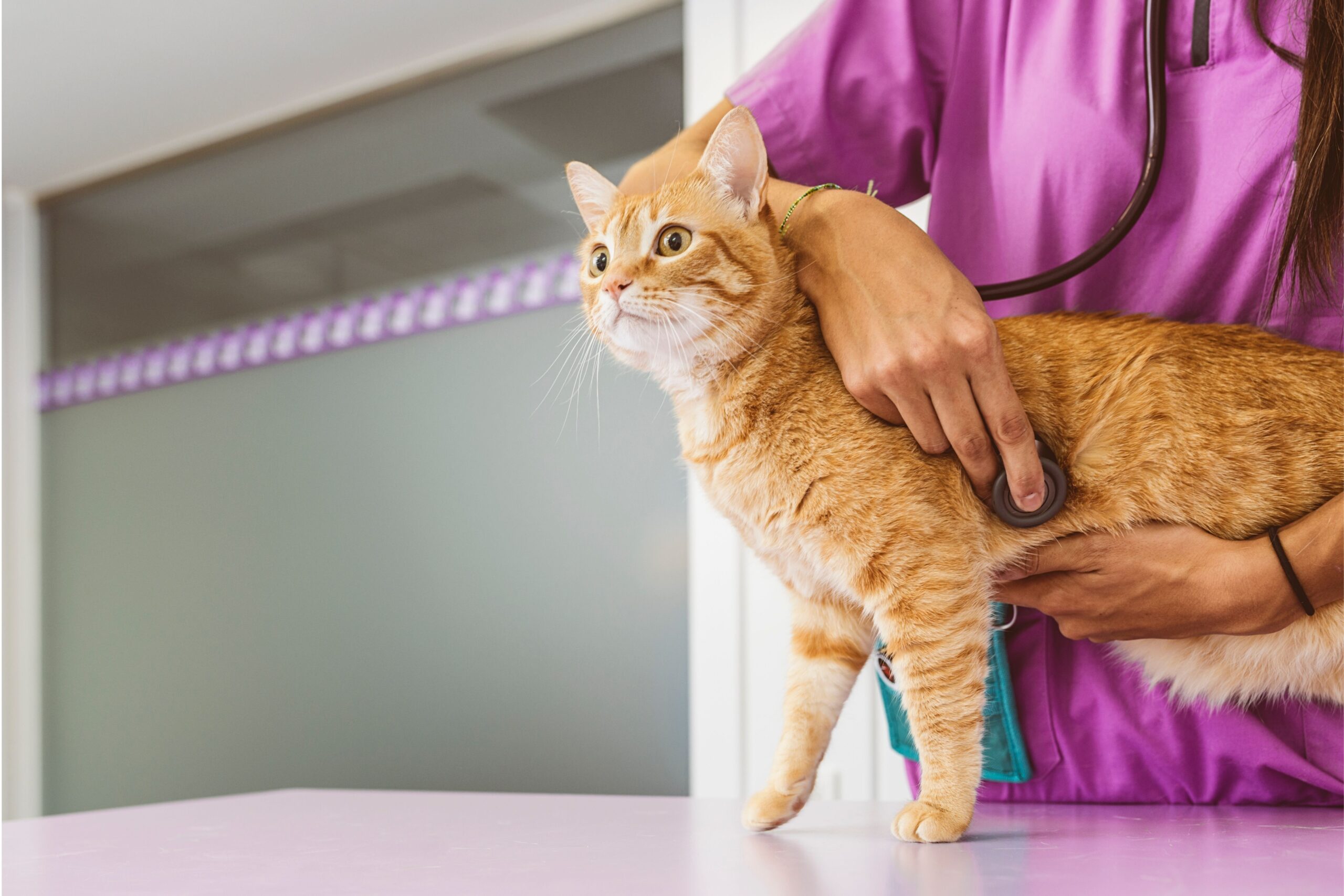
Vet using a stethoscope on an orange cat

A guide to taking your cat to the vet

A trip to the vet can be stressful for both you and your cat. These tips will help you make vet visits calmer and smoother.

Applaws US
08/15/2025

Regular vet check-ups are essential for your cat’s well-being, but for many cats (and their owners!), a trip to the vet can be stressful and overwhelming.

At Applaws, we believe vet visits should be as smooth as possible for both you and your feline friend. Here are our top tips for a stress-free vet visit so your cat can get the best care without the drama.

Get Your Cat Comfortable with Their Carrier

Many cats only see their carrier when it’s time for a vet visit, which can make them associate it with stress. The key is to make the carrier a familiar and positive space.

How to Help Your Cat Feel Safe in Their Carrier:

  • Keep the carrier out at home so they can explore it.
  • Place soft bedding inside and add their favorite blanket or toy.
  • Use calming pheromone sprays to reduce anxiety.
  • Reward them with treats when they go inside voluntarily.

Make Travel Less Stressful

The journey to the vet can be just as stressful as the appointment itself. Cats are creatures of habit, and being in a moving car can make them feel uneasy.

Ways to Keep Your Cat Calm While Traveling:

  • Secure the carrier in the car – Place it on the floor or secure it with a seatbelt.
  • Keep the car quiet – Avoid loud music or sudden noises.
  • Talk softly to your cat to reassure them.
  • Use a non-slip mat inside the carrier to prevent sliding.

Tip: Some cats feel more comfortable when their carrier is covered with a light blanket to reduce visual stimuli.

Help Your Cat Relax in the Waiting Room

Vet offices can be full of unfamiliar smells, loud noises, and other animals, things that can make your cat anxious.

How to Keep Your Cat Calm While Waiting:

  • Keep them in their carrier – Don’t let them roam freely.
  • Place the carrier on a chair or your lap instead of the floor (where they may feel vulnerable).
  • Choose a quiet corner away from dogs and other pets.
  • Bring a familiar-smelling blanket to help them feel secure.

Tip: Some vets have cat-friendly waiting areas (and some even do home visits), so ask in advance if this is available.

Prepare for the Vet Examination

Your vet will need to check your cat’s weight, teeth, coat, and overall health, which can be stressful for cats who aren’t used to being handled.

How to Help Your Cat Feel Comfortable:

  • Practice gentle handling at home – Get your cat used to having their paws, ears, and mouth touched.
  • Stay calm and reassuring – Cats pick up on their owner’s emotions.
  • Bring their favorite treats (like Applaws!) – Reward good behavior after the exam.

Tip: If your cat gets extremely stressed, talk to your vet about calming supplements, pheromone sprays or sedatives to give before the visit.

Know When to Visit the Vet for Routine & Emergency Care

Regular vet visits are key to keeping your cat healthy, even if they seem fine. Many illnesses in cats develop gradually and can go unnoticed without check-ups.

Routine Vet Visit Guide:

  • Kittens – Every few weeks until vaccinations are complete.
  • Adult Cats (1-7 years) – At least once a year for a general health check, ideally every 6 months.
  • Senior Cats (7+ years) – Every 6 months to monitor for age-related conditions.

Signs Your Cat Needs an Urgent Vet Visit:

  • Sudden weight loss or gain
  • Changes in eating or drinking habits
  • Lethargy or hiding more than usual
  • Vomiting or diarrhea that lasts more than a day
  • Difficulty breathing
  • Limping

Tip: If you’re unsure whether a symptom is serious, call your vet for advice, it’s always better to be safe than sorry!

Regular vet visits, a balanced diet, and proactive care are key to a long, healthy life for your cat. By making vet visits as stress-free as possible, you’re ensuring your cat gets the best care, because a healthy cat is a happy cat.