
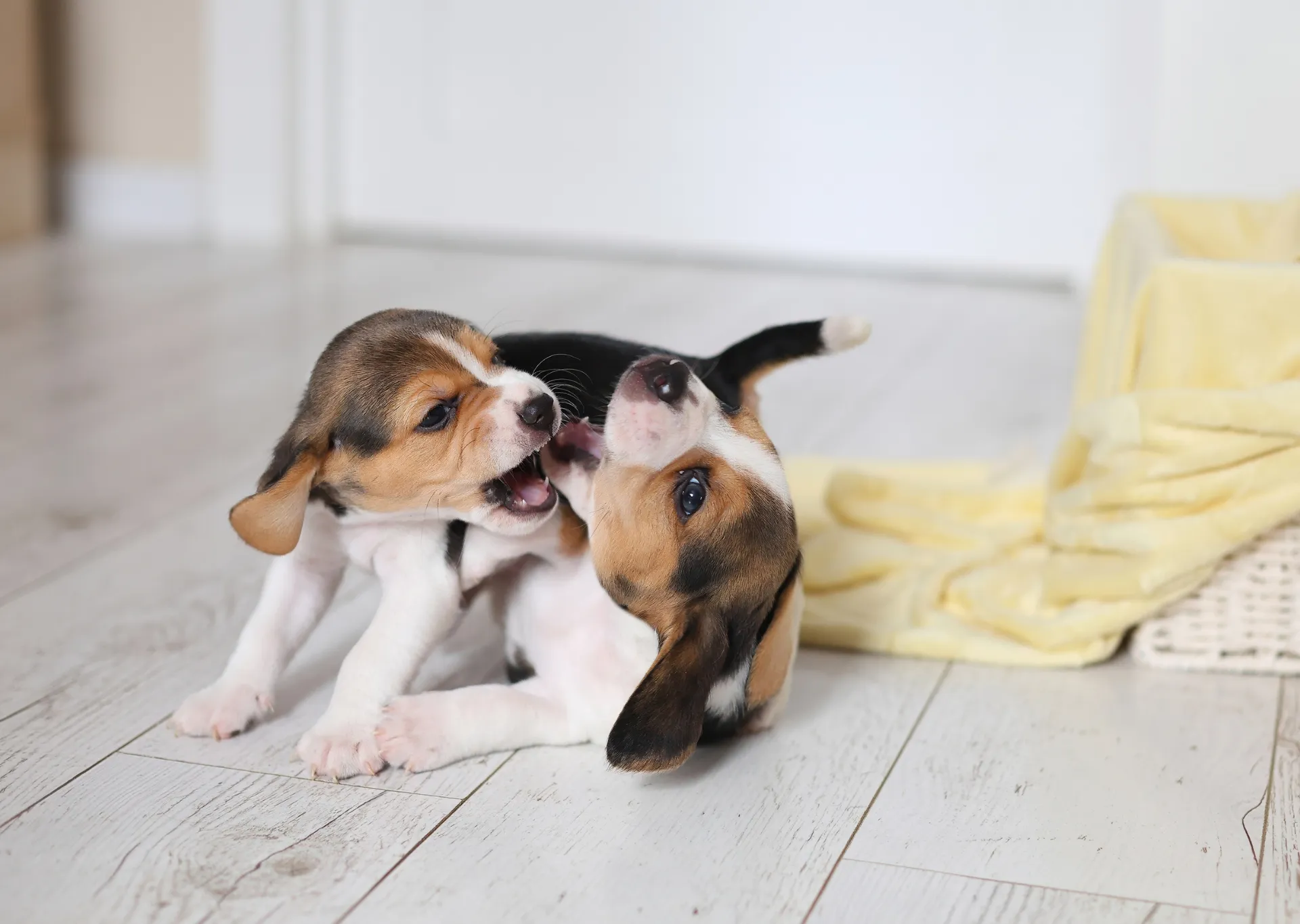
How to Socialise Your Puppy
Why Puppy Socialisation Is So Important
Puppies don’t automatically know how to behave around people, other dogs, or new situations — they learn through socialisation.
Socialising your puppy means gently introducing them to new sights, sounds, environments, and experiences in a positive way. The goal is to build confidence, reduce fear, and help your puppy grow into a calm, friendly, and well-adjusted adult dog.
If you’ve just brought your puppy home, it’s a good idea to read our Basic Puppy Care Checklist — Your First 12 Weeks at Home first to ensure you’ve covered the essentials before beginning socialisation.
What Puppy Socialisation Actually Means
True socialisation isn’t just about meeting other dogs — it’s about helping your puppy learn that the world is a safe and exciting place. This includes:
- Meeting people of all ages and appearances
- Experiencing household and outdoor sounds like vacuum cleaners, car engines, and buses
- Walking on different surfaces such as grass, carpet, and pavement
- Travelling in cars or public transport
When Is the Best Time to Start Socialising a Puppy?
The ideal socialisation window is from 3 to 16 weeks of age, when puppies are naturally curious and open to new experiences.
After 16 weeks, socialisation is still possible — it may just take more time and patience.
According to the RSPCA, early, positive socialisation helps prevent fear-based behaviour, such as anxiety or aggression, later in life.
How Puppy Socialisation Shapes Confidence and Behaviour
The Link Between Early Experiences and Adult Behaviour in Dogs
Puppies who enjoy positive interactions in their early weeks grow into relaxed, confident adults. Without early socialisation, they may become fearful or reactive toward strangers, loud noises, or unfamiliar environments.
Socialising your puppy helps them learn that:
- New experiences aren’t scary
- Calm behaviour earns praise and rewards
- People and other dogs are friendly and safe
Common Mistakes Owners Make When Socialising Puppies
- Overwhelming your puppy with too much, too soon
- Using punishment instead of reassurance
- Ignoring body language — yawning, lip-licking, or tail-tucking are all signs your puppy is nervous
Quality matters more than quantity — short, positive sessions always work best.
Socialisation Timeline: Your Puppy’s First 16 Weeks
Weeks 8–10: Getting Comfortable with New Sights and Sounds
- Let your puppy experience everyday household noises — the vacuum, TV, or washing machine.
- Encourage curiosity with gentle praise and small treats.
- Begin gentle handling practice by touching their paws, ears, and fur.
Weeks 10–12: Meeting New People and Friendly Dogs
- Invite calm friends and family members over.
- Arrange short, positive meetings with fully vaccinated, friendly dogs.
- Introduce car rides and short trips to new environments.
If you’re unsure when it’s safe to start puppy meet-ups, check our Puppy Vaccination Guide to learn when your puppy can safely socialise outdoors.
Weeks 12–16: Exploring the World Safely
Once vaccinations are complete, you can begin gentle walks in quiet, low-traffic areas.
Reward calm behaviour and keep early walks short and enjoyable.
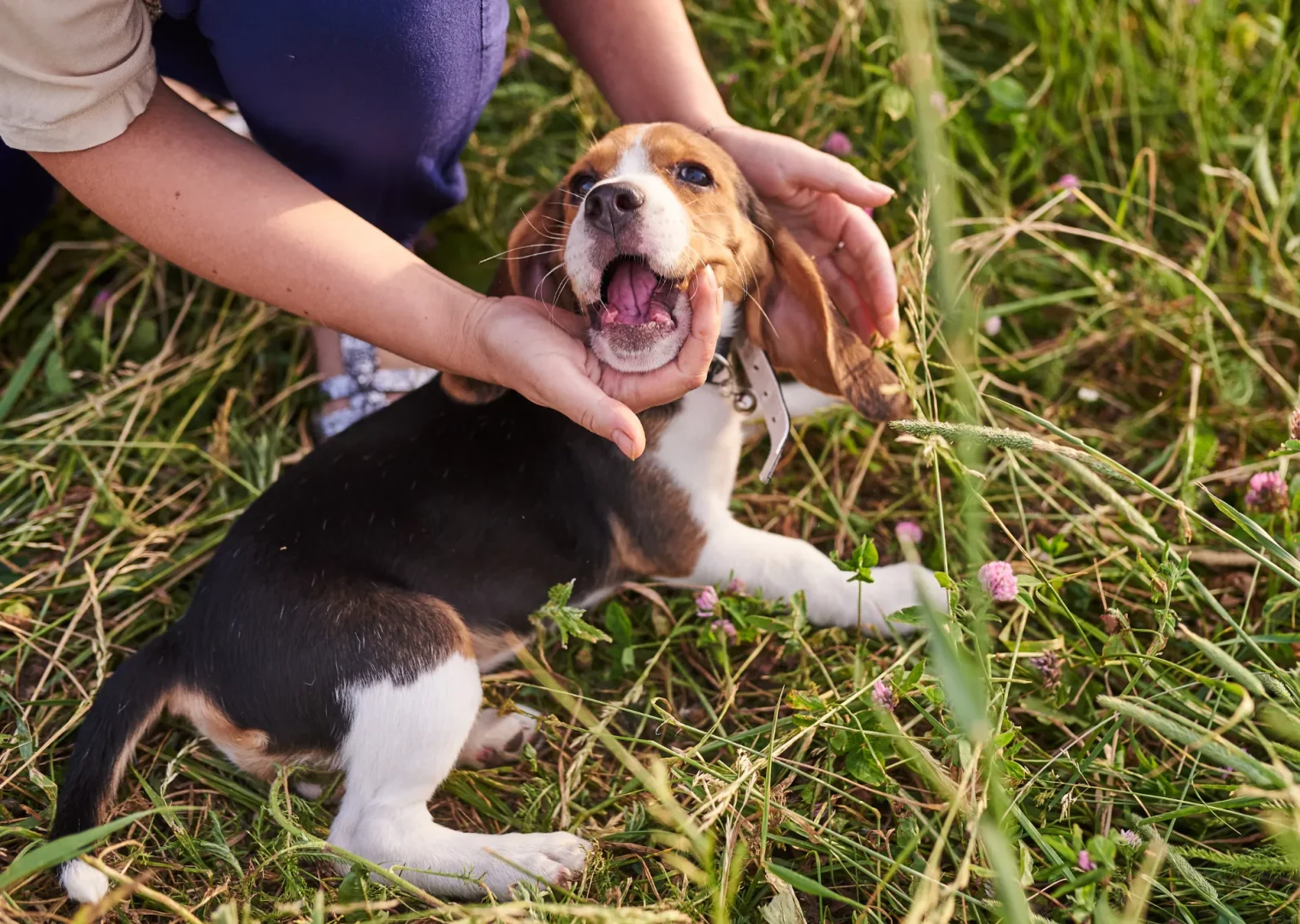
How to Socialise Your Puppy Before Full Vaccinations
Safe Ways to Introduce Your Puppy to the Outside World
Before your puppy has had all their jabs, it’s still safe (and important) to introduce them to new experiences, as long as you avoid unknown dogs and contaminated public spaces.
Try these safe activities:
- Carry your puppy around your local area to see people, traffic, and other dogs from a distance
- Sit in your garden or on your driveway so your puppy can observe the world safely
- Take them on short car rides or bus trips
- Invite vaccinated, calm dogs or friends to visit your home
Indoor Socialisation Games for Puppies
- Play sounds of thunder, fireworks, and traffic quietly while your puppy eats or plays.
- Introduce household objects like umbrellas, hairdryers, or hoovers slowly and with treats.
- Change your appearance — hats, glasses, coats — so your puppy learns people can look different!
How to Socialise Your Puppy After Vaccinations
First Puppy Walks: Positive Exposure to the Big Outdoors
Once your vet confirms your puppy’s vaccinations are complete, start with short, positive walks. Let them sniff and explore at their own pace, using praise and treats to build confidence and make every outing enjoyable.
For best results, keep walks short and avoid busy parks at first.
Introducing Your Puppy to New People, Dogs, and Environments
- Explore different walking routes for variety.
- Visit pet-friendly cafés, quiet shops, or garden centres.
- Allow brief, friendly greetings with new dogs while on the lead.
Positive Puppy Training and Social Skills
Reward-Based Puppy Training During Socialisation
Training and socialisation go hand-in-hand. Use praise, play, and treats to reward calm, confident behaviour around new people, dogs, and environments.
Teaching Puppies Calm Behaviour Around Other Dogs
- Keep greetings short and cheerful.
- Reward calm posture and polite sniffing.
- Move away before play gets too excitable — end on a positive note.
Helping Nervous Puppies Gain Confidence
Recognising Fear and Overstimulation in Puppies
Look out for early stress signals:
- Tail tucked between legs
- Hiding or trembling
- Avoiding eye contact or yawning excessively
If your puppy shows fear, calmly move away and give them space. Never force an interaction — that can make fears worse.
Gradual Desensitisation for Shy or Timid Puppies
Introduce new experiences slowly and at a distance your puppy feels comfortable with.
Reward curiosity and calm behaviour, gradually building confidence.
Celebrate small steps — progress takes time, but consistency pays off.
FAQs About Puppy Socialisation
- What Happens If I Miss the Socialisation Window? It’s never too late. Older puppies and even adult dogs can still be socialised using patience and positive reinforcement.
- Can Older Puppies Still Be Socialised? Yes! Go slowly, use high-value rewards, and build trust through calm exposure.
- How Do I Avoid Overwhelming My Puppy? Keep experiences short, positive, and end on success. If your puppy looks nervous, stop and try again another day.
Proper socialisation sets your puppy up for a lifetime of confidence and good behaviour. With patience, gentle exposure, and positive rewards, you’ll help them see the world as safe and exciting.
Once your puppy’s vaccinations are complete, the world is theirs to explore — happily, safely, and by your side.