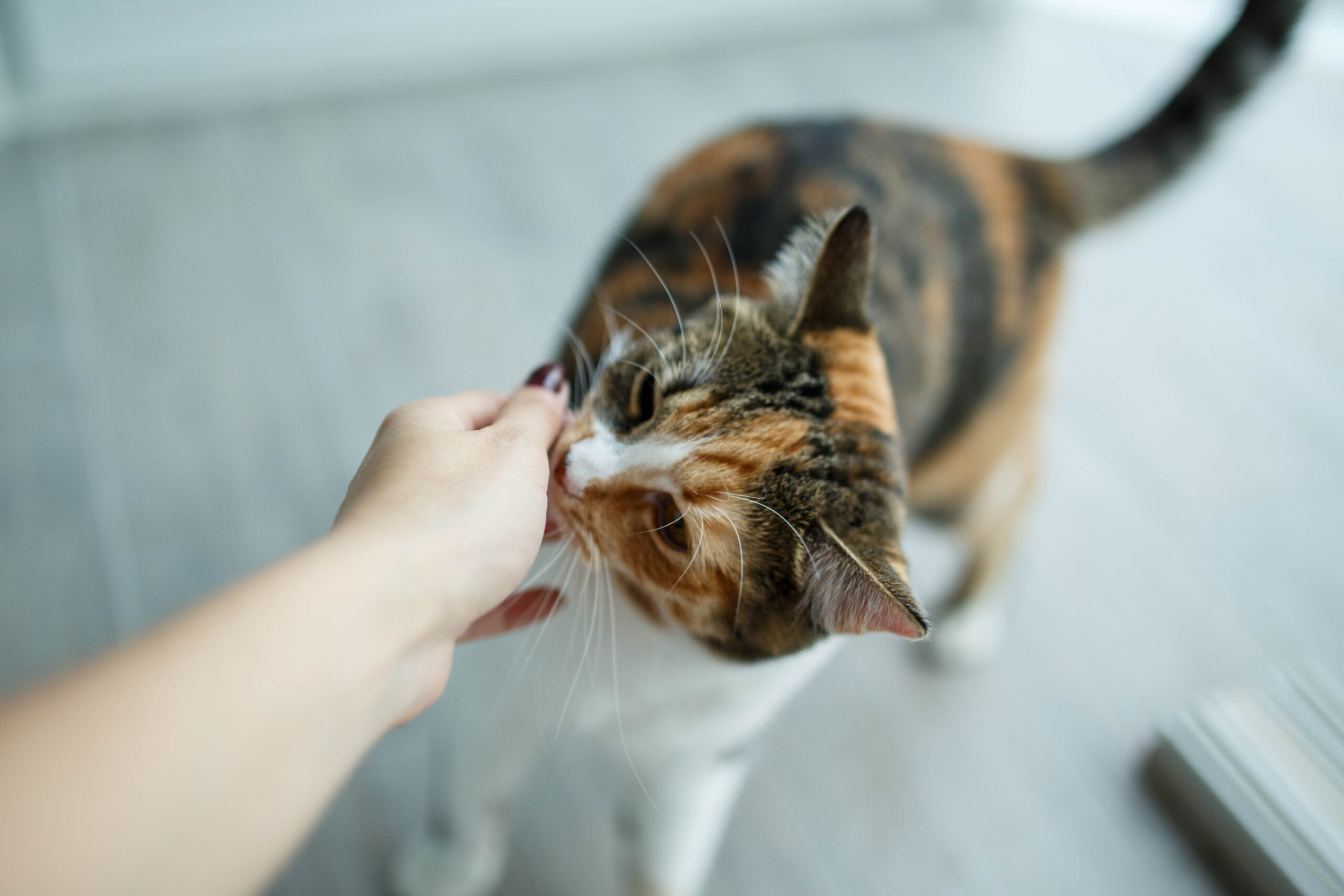
Cat sniffing human hand

What Scents Do Cats Like? A Guide to Feline-Friendly Fragrances

While humans enjoy different scents in their homes, it's always good to check and make sure those scents are safe for your furry friend before putting them into your diffuser.

03/19/2026

Cats have a powerful sense of smell, up to 14 times stronger than ours. So while we might enjoy a fresh spring candle or a spritz of room spray, our feline friends experience scents in a much more intense way. That’s why it’s important to know which scents are safe for cats and which ones they actually enjoy.

Let’s explore the scents that make cats happy, the ones to avoid, and how to keep your home smelling fresh without compromising your cat’s wellbeing.

Scents Cats Tend to Love

Not every cat reacts the same, but scents cats often love include:

  • Catnip – The classic. Catnip can make cats playful, relaxed, or just plain silly. It’s safe and widely loved.
  • Valerian root – A strong scent that can have a calming effect, especially for cats who don’t respond to catnip.
  • Silvervine – A great alternative to catnip, especially for cats who seem indifferent to it.
  • Tatarian honeysuckle – Some cats love the sweet scent of this plant, though the berries should be avoided.
  • Olive and olive wood – Surprisingly, some cats are drawn to the scent of olives and olive trees.

These scents can be found in toys, sprays, or even grown in your garden (with supervision, of course).

Are Candles Safe for Cats?

This is a common question (and a good one!). Are candles safe for cats? The answer depends on the type of candle and the ingredients used. Safe candles for cats include:

  • Soy candles are generally safer than paraffin candles, which can release harmful chemicals when burned.
  • Unscented candles are the safest option, especially for cats with respiratory sensitivities, such as asthma.
  • Scented candles can be risky if they contain essential oils or synthetic fragrances. Cats are especially sensitive to oils like eucalyptus, tea tree, citrus, and peppermint, which can cause respiratory or liver issues.

Scents to Avoid Around Cats

Some scents may smell lovely to us but can be harmful to cats. These include:

  • Citrus (lemon, orange, grapefruit)
  • Tea tree oil
  • Eucalyptus
  • Peppermint
  • Cinnamon
  • Pine

These can cause anything from mild irritation to serious health issues if inhaled or ingested. Always check labels and avoid diffusing essential oils unless they’re confirmed to be pet-safe.

Creating a Cat-Friendly Scent Space

If you want to freshen up your home with scents while keeping your cat safe:

  • Use natural, unscented soy candles or cat-safe sprays.
  • Avoid burning candles in enclosed spaces where your cat spends time.
  • Keep candles, diffusers, and potpourri out of reach.
  • Ventilate rooms well after using any scented products.

Final Thoughts

Cats experience the world through scent, so it’s worth taking a moment to consider what you’re introducing into their space. Whether it’s a whiff of catnip or a gentle breeze through an open window, the right scent can make your cat feel calm, curious, or even joyful.

What scents are safe for cats may not always be obvious, so when in doubt, check with your vet team to make sure it’s not going to do more harm than good.