
Wet vs Dry Dog Food: Which Is Better for Your Dog?
Wet vs Dry Dog Food: Understanding the Difference
There isn’t a single winner when it comes to wet vs dry dog food. Wet food can help boost moisture, aroma and softer texture, while dry food offers convenience, value and easy portion control.
The best choice depends on your dog’s age, health, preferences and lifestyle. For many dogs, mixed feeding can offer the best of both: the moisture and flavour of wet food with the practicality of dry food.
The most important thing is choosing a complete and balanced food that suits your dog’s life stage, then feeding it in the right amount to help maintain a healthy body condition.
Benefits of Wet Dog Food
How Wet Food Supports Hydration
Wet dog food naturally contains more moisture than dry kibble, which can be helpful for dogs that don’t drink much water or need a little extra hydration through their meals.
This can be especially useful during warmer weather, after busy days, or for dogs who prefer softer, more aromatic food.
Why Wet Food Appeals to Fussy Eaters
Wet food often has a stronger aroma and softer texture, which can make mealtimes more appealing for dogs who are fussy, easily distracted or less interested in their usual bowl.
The richer smell and texture can help encourage appetite, particularly when dogs need a little extra motivation to eat.
Is Wet Food Easier for Puppies and Senior Dogs to Eat?
Because wet food is softer, it can be easier to chew for puppies, senior dogs or dogs with dental sensitivity. It can also be a good option for dogs who struggle with harder textures.
However, dental care is still important whatever type of food your dog eats. Regular brushing, vet checks and appropriate chews all play a role in supporting oral health.
Benefits of Dry Dog Food (Kibble)
Why Dry Food Is Convenient for Everyday Feeding
Dry dog food is simple to store, easy to measure and convenient to serve, which makes it a practical choice for everyday feeding routines.
It can also be more cost-efficient per calorie than wet food, particularly for larger dogs or multi-dog households.
Using Dry Food for Training and Enrichment
Kibble works well in puzzle feeders, slow feeders and treat-dispensing toys, helping to make mealtimes more engaging. It can also be used as part of reward-based training, as long as it’s counted within your dog’s daily food amount.
Storage, Travel and Portion Control Benefits
Dry food is easy to take on the go and usually has a longer shelf life once opened. It’s also simple to portion, which can help owners keep feeding amounts consistent.
If your dog eats mainly dry food, make sure fresh water is always available. You can also add moisture and flavour with wet food or a natural topper, while adjusting calories accordingly.
Wet vs Dry Dog Food: What About Nutrition?
Choosing Complete and Balanced Dog Food
Whether you choose wet, dry or mixed feeding, the priority is complete and balanced nutrition. Check that your dog’s food is suitable for their life stage, whether they are a puppy, adult or senior dog.
Complementary foods and toppers can be a great addition to mealtimes, but they should be used alongside a complete diet rather than replacing it.
Understanding Ingredients and Protein Quality
Look for clear recipes, recognisable ingredients and transparent on-pack information. The right food should make it easy to understand what you’re feeding and why it’s there.
Protein quality matters too, especially for supporting healthy muscles and everyday wellbeing. Choose recipes that suit your dog’s needs and avoid switching too quickly between different foods.
Managing Calories and Maintaining a Healthy Weight
Wet and dry food can vary in calories, so it’s important to portion carefully. Feeding guidelines are a helpful starting point, but your dog’s body condition, activity level and age should guide the final amount.
If you mix wet and dry food, reduce the amount of each accordingly rather than serving full portions of both.
Mixed Feeding: Combining Wet and Dry Dog Food
Why Many Dog Owners Choose Mixed Feeding
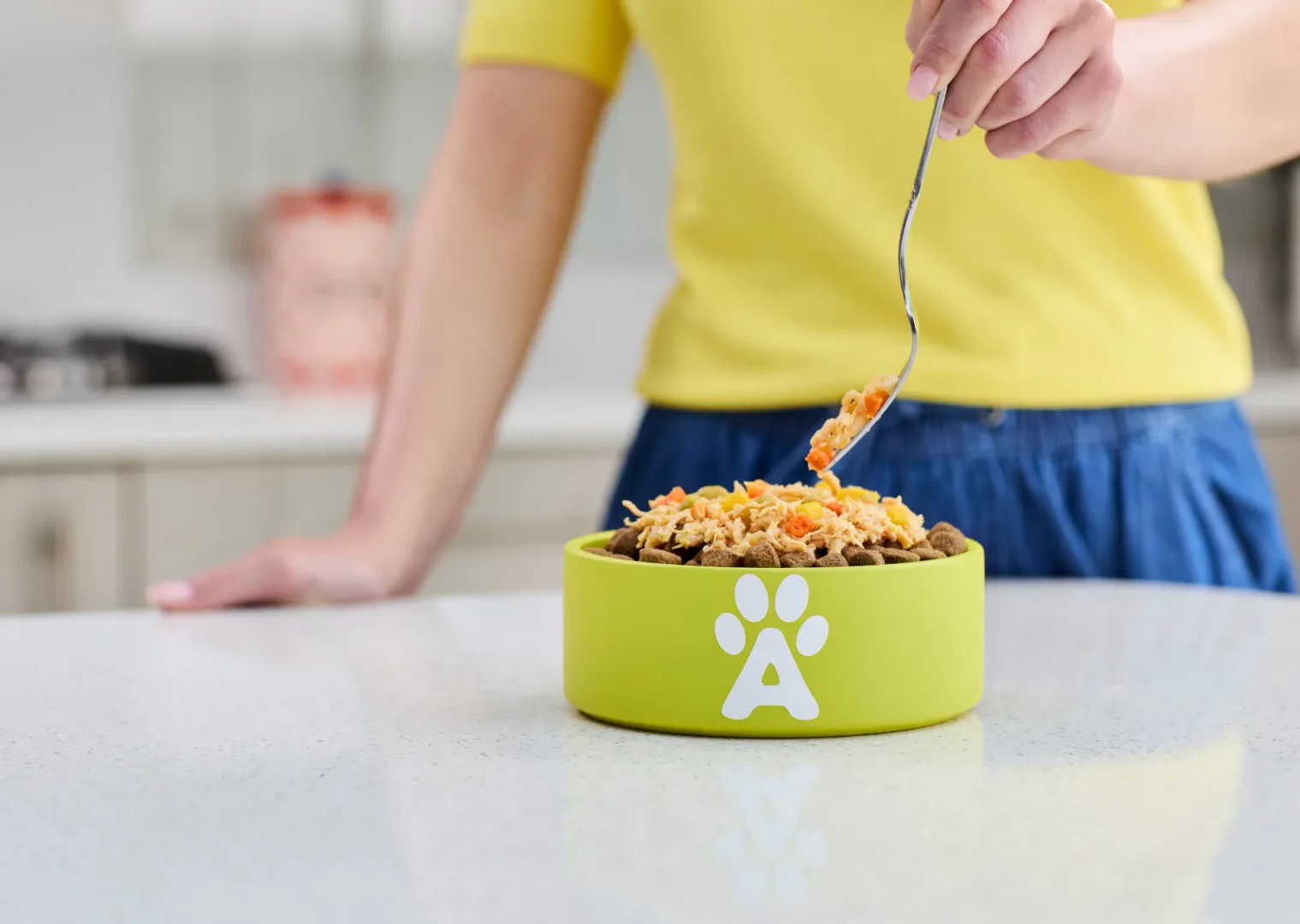
Mixed feeding can be a practical middle ground. It brings together the moisture, aroma and variety of wet food with the convenience and enrichment benefits of dry food.
It can also help keep mealtimes interesting for dogs who get bored easily or need a little encouragement at the bowl.
How to Mix Wet and Dry Food Successfully
Start with your dog’s usual food and introduce the new texture gradually. You could use dry food as the base, then add a smaller portion of wet food for moisture and flavour.
Keep an eye on total calories and adjust portions to maintain a healthy weight. If you’re unsure how much to feed, speak to your vet for advice that’s specific to your dog.
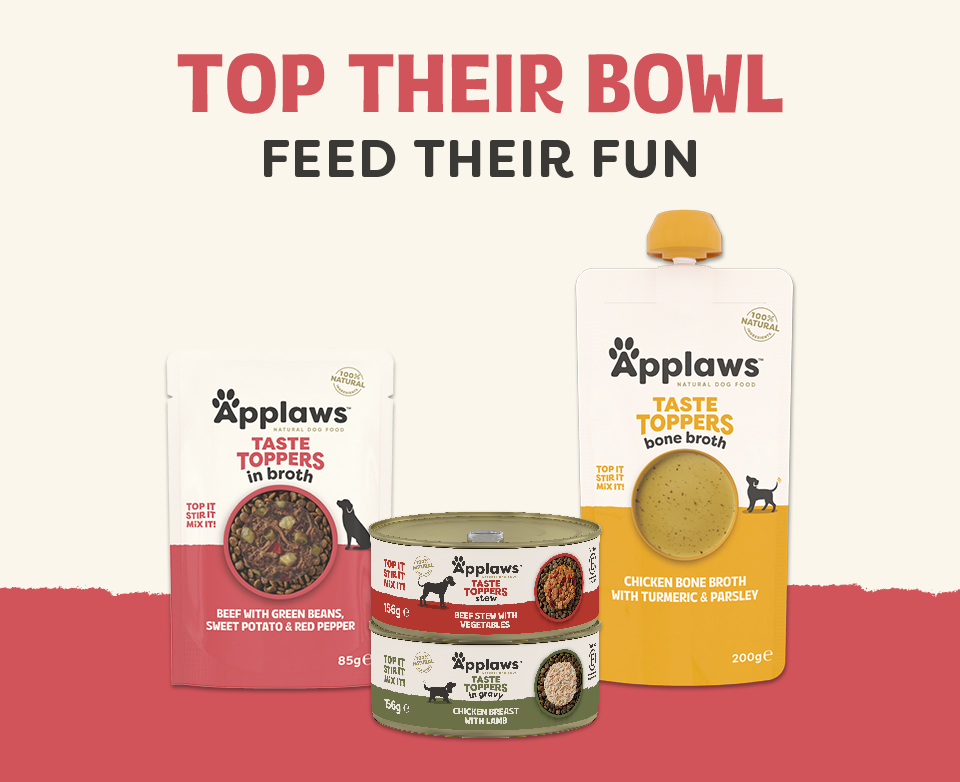
Adding Natural Flavour and Moisture with Food Toppers
If your dog eats mainly dry food, a natural food topper can help add flavour and moisture without relying on salty or fatty extras.
Applaws Taste Toppers are crafted with high-quality natural ingredients to make bowls more enticing for fussy eaters, while helping add variety and moisture to mealtimes.
Explore Applaws Taste Toppers to add natural flavour and moisture to your dog’s meals.
Choosing the Right Food for Your Dog’s Life Stage
Feeding Puppies: Wet, Dry or Mixed?
Puppies need food that is suitable for growth and development. Wet, dry or mixed feeding can all work, as long as the food is complete, balanced and appropriate for puppies.
Texture may also affect acceptance. Some puppies prefer softer food at first, while others enjoy dry food once they’re ready for it.
Feeding Senior Dogs for Comfort and Appetite
Senior dogs may benefit from softer textures and extra moisture, especially if their appetite changes or chewing becomes less comfortable.
Dry food can still work well for older dogs too, depending on their teeth, preferences and overall health. The right choice is the one that keeps them eating happily and comfortably.
Supporting Dogs with Dental Sensitivities
Dogs with dental sensitivity may find wet food easier to eat, but food texture alone won’t replace a dental care routine.
If your dog is suddenly struggling to chew, dropping food or avoiding meals, speak to your vet to rule out dental pain or other health concerns.
Choosing the Best Food for Dogs with Sensitive Stomachs
Transitioning to a New Food Gradually
Dogs with sensitive stomachs can be more affected by sudden diet changes. When introducing wet food, dry food, mixed feeding or a topper, take it gradually and monitor how your dog responds.
A slow transition gives your dog’s digestive system time to adjust and can help reduce the chance of upset tummies.
Signs Your Dog’s Diet Is Working Well
A diet that suits your dog should support steady energy, healthy stools, a good appetite and a healthy body condition.
If you notice persistent diarrhoea, vomiting, itchiness, gas or changes in energy, pause the transition and speak to your vet.
Cost, Storage and Lifestyle Considerations
Comparing the Cost of Wet and Dry Dog Food
Dry food often offers a lower cost per calorie and can be easier to buy in larger bags. Wet food can cost more per calorie but may be useful for dogs who need extra moisture, softer texture or appetite support.
Mixed feeding can help balance cost, convenience and enjoyment, depending on how much wet food you add.
Storage Tips for Wet and Dry Food
Store dry food in a cool, dry place, ideally in an airtight container to help keep it fresh. Once wet food is opened, refrigerate it and follow the pack instructions for how quickly it should be used.
Which Option Fits Your Daily Routine?
Your dog’s food needs to work for them and for your routine. Dry food is practical for busy mornings, travel and enrichment toys. Wet food can make meals more appealing and add moisture. Mixed feeding can offer flexibility if you want both.
How to Switch Your Dog to a New Food Safely
A Simple 7–10 Day Food Transition Plan
When changing your dog’s food, introduce the new food slowly over 7–10 days:
- Days 1–3: 25% new food / 75% current food
- Days 4–6: 50% new food / 50% current food
- Days 7–10: 75% new food / 25% current food
- Day 11 onwards: 100% new food, if your dog is tolerating it well
What to Watch for During a Food Change
Keep an eye on stool quality, gas, itchiness, appetite and energy levels. Mild changes can happen during a transition, but ongoing issues should be checked with your vet.
If your dog has a sensitive stomach or an existing health condition, speak to your vet before making bigger diet changes.
FAQs About Wet vs Dry Dog Food
Is Wet or Dry Dog Food Better?
Neither is universally better. Wet food offers moisture, aroma and softer texture, while dry food offers convenience, value and easy portion control. The best choice depends on your dog’s needs.
Does Wet Dog Food Help with Hydration?
Yes. Wet dog food contains more moisture, which can help support hydration, especially for dogs that drink less or prefer softer food.
Is Dry Dog Food Better for Teeth?
Not on its own. Crunching kibble is not a complete dental plan. Brushing, vet checks and appropriate chews are important whatever texture your dog eats.
Can I Mix Wet and Dry Dog Food?
Yes. Many owners mix wet and dry food to combine palatability, hydration and convenience. Just remember to adjust portions so your dog isn’t getting too many calories.
What If My Dog Is a Fussy Eater?
Keep their routine consistent, serve the right portion size and consider adding wet food or a natural topper for extra flavour and moisture.
How Do I Choose the Right Food for My Dog?
Look for a complete and balanced food that suits your dog’s life stage, health needs and preferences. Feed to body condition, not just the label guide, and ask your vet if you’re unsure.
Bottom Line: Choose What Works for Your Dog
Wet food can support moisture, aroma and softer texture. Dry food offers convenience, storage and enrichment benefits. Mixed feeding can be a practical middle ground for dogs who enjoy both.
Whichever option you choose, aim for complete and balanced nutrition, the right portions and a routine your dog enjoys. For extra flavour and moisture, especially with dry food, try adding a natural topper.
Add natural flavour the easy way — explore Applaws Taste Toppers.