
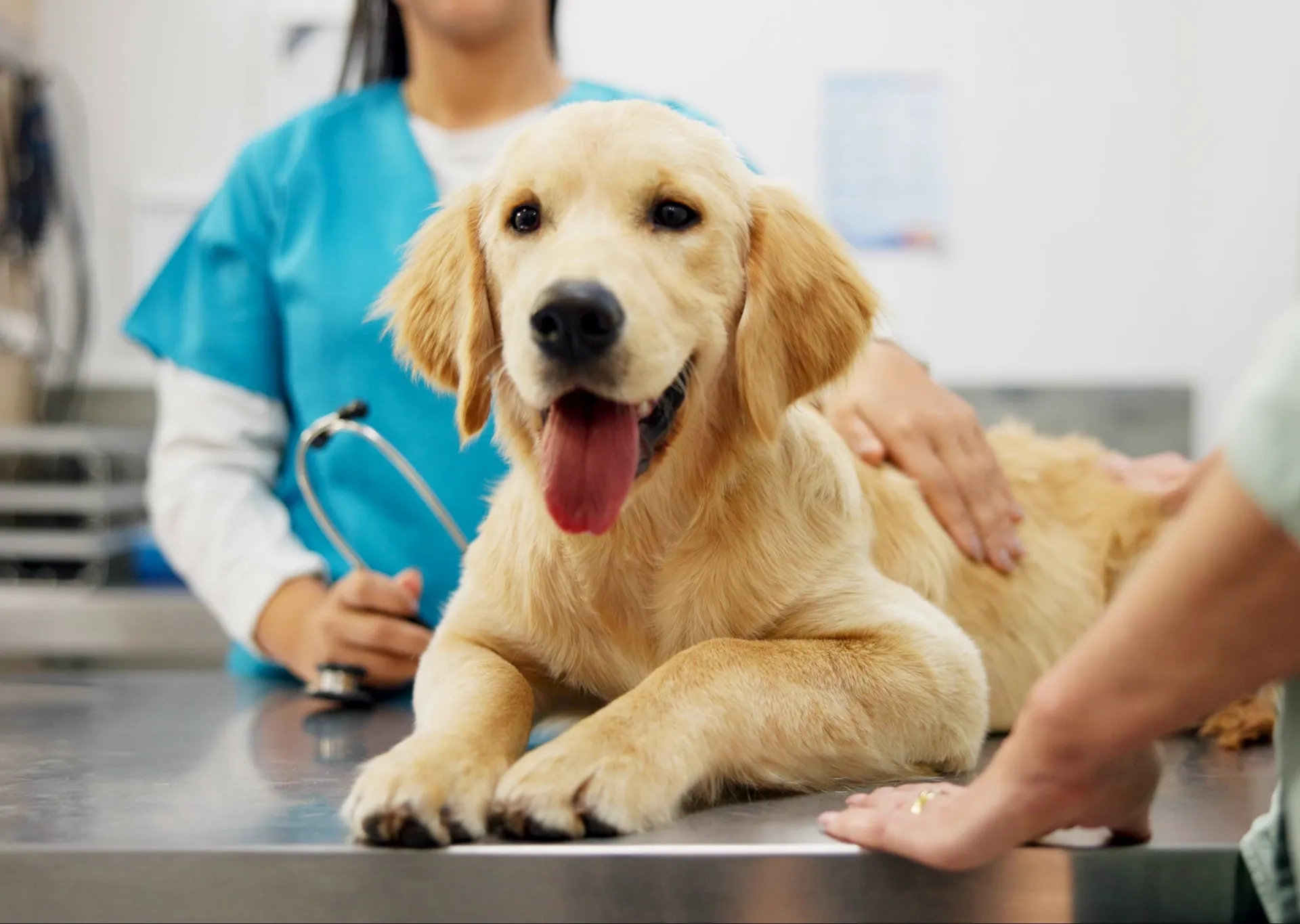
Taking Your Dog to the Vet
Why Taking Your Dog to the Vet Can Feel Stressful
Even the happiest dog can feel uneasy at the vet. New smells, sounds, and unfamiliar handling can make vet visits stressful — for them and sometimes for you too.
The good news? With the right preparation, patience, and a positive approach, trips to the vet can be much calmer. Here’s how to help your dog feel relaxed and confident before, during, and after every visit.
Preparing Your Dog for a Calm Vet Visit
How to Get Your Dog Comfortable with Vet Handling at Home
Dogs often find vet visits stressful because they’re not used to being touched in certain ways. Help your dog feel more relaxed by gently practising “vet-style” handling at home.
Try:
- Gently touching your dog’s paws, ears, and mouth for a few seconds at a time.
- Rewarding them with a treat or praise each time they stay calm.
- Keeping sessions short, fun, and relaxed — never force your dog.
Over time, this helps your dog associate handling with something positive instead of uncomfortable.
Visiting the Vet Practice Casually to Help Your Dog Adjust
Ask your local vet if you can pop in for a quick visit without an appointment. Let your dog sniff around the waiting area, meet the reception team, and enjoy a treat or cuddle.
The PDSA recommends these casual visits to build positive associations — helping your dog learn that not every trip means needles or thermometers.
Tip: Try popping in just to weigh your dog or say hello. Small, happy experiences make a big difference.
Helping Your Dog Stay Calm While Travelling to the Vet
Many dogs start feeling anxious long before they arrive at the vet — especially if the car journey itself is stressful.
Car Travel Tips for Anxious Dogs on the Way to the Vet
- Bring your dog’s favourite blanket or toy for comfort.
- Keep the car calm — avoid loud music or shouting.
- Use a secure harness or crate to help them feel safe.
- Spray a calming pheromone 30 minutes before setting off.
- Stay calm yourself — dogs mirror their owners’ emotions. If you’re relaxed, your dog will be too.
Keeping Your Dog Calm During the Vet Appointment
How to Reward Calm Behaviour in Dogs at the Vet
Bring small, high-value treats to reward your dog throughout the visit.
Rewarding calm behaviour helps them associate the vet with good experiences.
Try:
- Giving treats when entering the waiting room.
- Rewarding during check-in and after the examination.
- Using gentle praise or affection to keep them relaxed.
Early Signs of Stress in Dogs During Vet Visits
Recognising early signs of anxiety helps you calm your dog before stress escalates.
Watch for:
- Lip-licking, yawning, or shaking
- Tail tucked or body trembling
- Refusing to move or hiding behind you
- Avoiding eye contact
If you notice these signals, speak softly, give space, and ask the vet for a brief pause. Most practices are happy to go at your dog’s pace.
Behaviour Training to Help Dogs Feel Confident at the Vet
Desensitising Your Dog to the Vet Environment
Desensitisation simply means helping your dog get used to vet-related experiences gradually.
Practice at home or on walks:
- Get your dog used to being gently lifted or examined.
- Weigh them on a doormat or household scale to simulate vet scales.
- Visit the clinic occasionally without an appointment for positive exposure.
Over time, these mini experiences help your dog feel more at ease when the real visit happens.
Calming Tools and Support for Dogs with Vet Anxiety
For particularly nervous dogs, ask your vet about additional support options, such as:
- Dog-appeasing pheromone sprays or collars
- Natural calming supplements
- Temporary anti-anxiety medication in extreme cases
These can be used occasionally to help your dog cope with overwhelming situations.
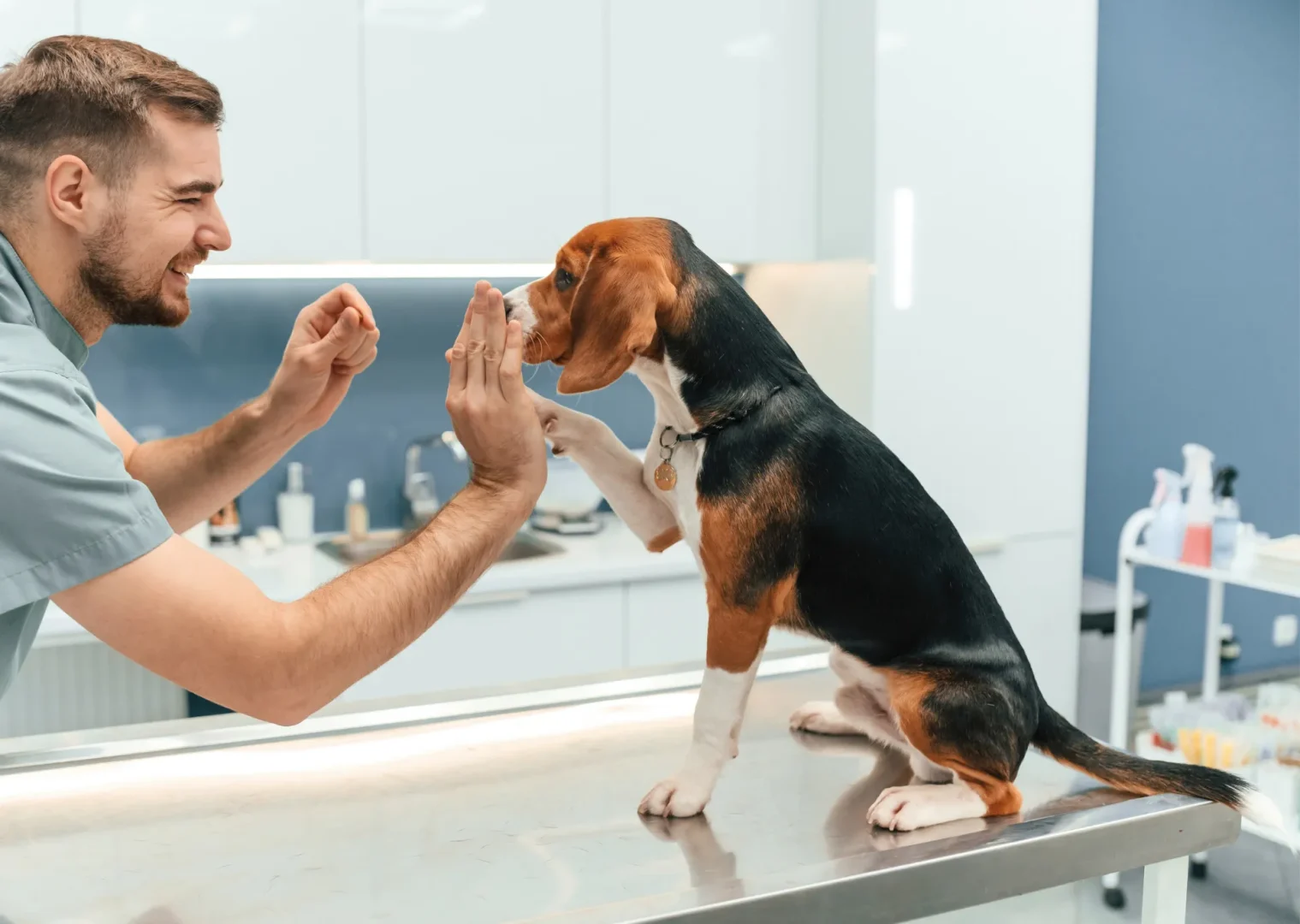
Working with Your Vet Team to Support Your Dog’s Comfort
Communicating Your Dog’s Needs During the Appointment
Let your vet know if your dog has specific fears — like being touched around the face or lifted onto the table. The team can adjust their approach or even work on the floor if that feels calmer for your dog.
If your dog is food-motivated, bring their favourite treats and ask the vet to offer one before starting the exam.
Clear communication helps the vet team tailor every step to your dog’s comfort level, making the visit less stressful and more positive.
How Vets Can Help Reward and Calm Nervous Dogs
Most vets are trained in low-stress handling and happy to work at your dog’s pace. Many practices now use fear-free techniques — using treats, toys, and gentle touch to help dogs relax and make vet visits more positive.
After the Vet Visit: Helping Your Dog Recover and Relax
Rewarding Your Dog After a Vet Trip
End every vet visit with something your dog loves — a favourite toy, a short walk, or a tasty treat. Positive endings help reinforce that vet trips lead to good things.
Avoid rushing straight home; a quick sniffy walk or some calm play helps your dog unwind and reset after the appointment.
Building Positive Memories Around Vet Visits for Dogs
Consistency is key. The more positive experiences your dog has at the vet, the less anxious they’ll feel next time. Even a few calm, well-managed visits can build confidence and make future trips stress-free.
FAQs About Taking Dogs to the Vet
- How Do I Know If My Dog Is Anxious About the Vet?
Look for subtle stress signals — yawning, lip-licking, or trembling. Some dogs may try to avoid entering the clinic altogether.
- What Should I Do If My Dog Refuses to Go into the Vet Practice?
Stay calm and patient. Try gentle coaxing with treats, or ask staff to greet your dog outside. For severe fear, gradual exposure or anxiety aids may help.
- Is It Okay to Feed My Dog Before a Vet Appointment?
Yes — unless your vet advises fasting before a procedure. A light meal and treats can make the experience more positive.
- How Can I Help My Puppy Get Used to Vet Visits?
Start early. Bring your puppy for “happy visits” — short, positive interactions at the clinic that build trust for life.
Taking your dog to the vet doesn’t have to be stressful. With gentle preparation, a calm approach, and plenty of rewards, you can make every visit smoother for both of you.
Building trust, rewarding good behaviour, and communicating openly with your vet team helps your dog feel safe and confident — making vet trips easier, healthier, and happier.